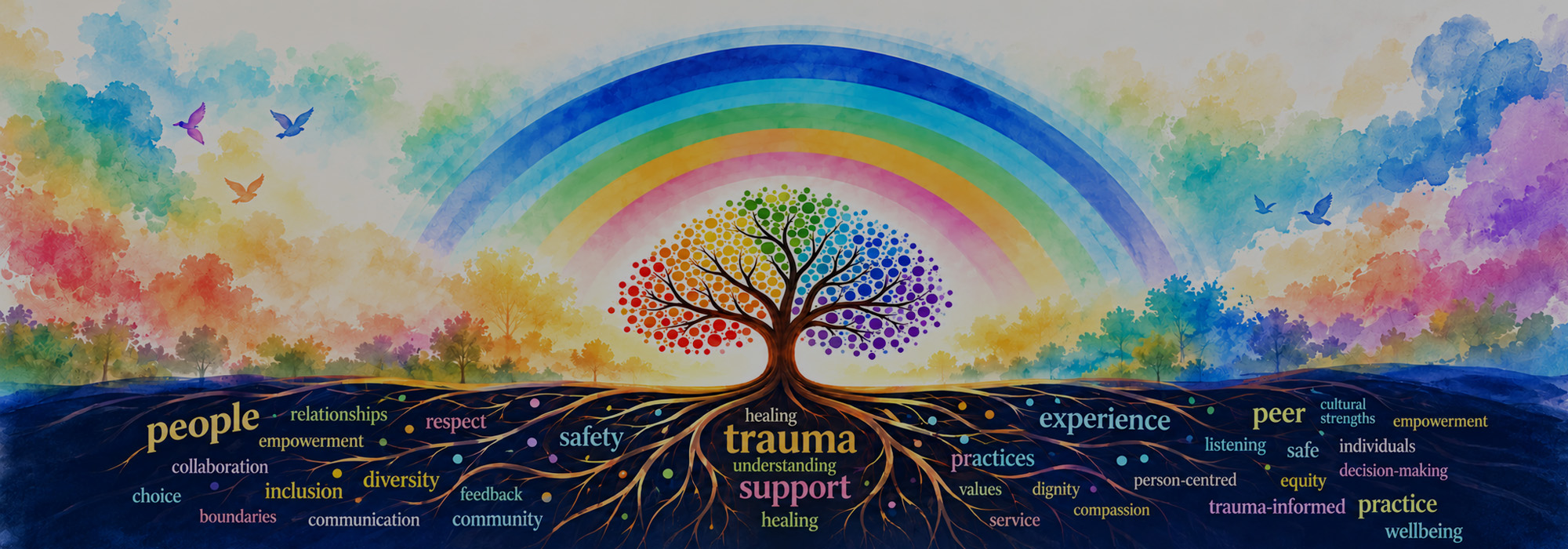


Support With Understanding, Patience & Care
Every child and young person deserves to feel safe, listened to and valued. For some children in foster care, experiences earlier in life can have a lasting impact on how they understand the world around them, build relationships and express their feelings. At Ideal Fostering, we have a real passion for therapeutic care and recognise the importance of looking beyond behaviour to understand what a child may be feeling and communicating.

What Is Therapeutic Care?
Therapeutic care is an approach to fostering that takes into account the experiences a child or young person may have had before coming into care.
Children who have experienced trauma, neglect, loss, instability or difficult relationships may respond to everyday situations differently. Their experiences can influence how easily they trust adults, manage emotions, respond to boundaries or cope with change.
A therapeutic approach encourages carers and professionals to consider what may sit behind a child’s behaviour rather than focusing only on the behaviour itself. It involves patience, empathy and curiosity, recognising that every child’s experiences and needs are individual.
At Ideal Fostering, the needs of the child are central to the way we approach foster care. Our wider ethos is based around providing safe, stable family environments while responding to the identified needs of individual children and young people.

Words Matter
We are passionate about ‘Language that Cares’ in the Ideal family because we know that words matter and the language that we use affects attitudes and feelings. Our ‘Language that Cares’ philosophy focusses on using language that respects, empowers, supports and reflects the experiences of children and young people in care, rather than feeling impersonal, stigmatising or confusing as sometimes in can in Social Care.
We aim to use language that sees the child before the care system – language that is warm, respectful, therapeutic and free from unnecessary labels. Most importantly, we listen to each child and young person and use the words they tell us feel right for them. In doing so, we show children and young people that their voices, identity, feelings and wellbeing truly matter.

Glossary
We have a glossary of terms that we try to use wherever possible, here is a flavour:
Instead of saying: LAC
We prefer to say: Children in care / Children we care for, depending on the document or situation
Instead of saying: Contact
We prefer to say: Family time
Instead of saying: Care leavers
We prefer to say: Care experienced
Instead of saying: Peers
We prefer to say: Friends
Instead of saying: Siblings
We prefer to say: Brothers and sisters / Our brothers and sisters
Instead of saying: Dropping out of school
We prefer to say: Left school early
Instead of saying: Isolated
We prefer to say: Lonely
Instead of saying: Long-term placement
We prefer to say: Long-term home
Instead of saying: Neglected
We prefer to say: Not looked after properly / Not always cared for
Instead of saying: Risk
We prefer to say: Not safe / Need protecting
Instead of saying: Risk assessment
We prefer to say: Safety plan
Instead of saying: LAC review
We prefer to say: Review meeting
Instead of saying: Therapy
We prefer to say: Talking things through sessions
Instead of saying: Foster carer
We prefer to say: Foster family / The people caring for you / Their names
Instead of saying: Birth / biological parents
We prefer to say: Parents / Mum / Dad / Family, according to the child’s preference
Instead of saying: Abscond
We prefer to say: Go missing / Leave home unexpectedly
Instead of saying: Sibling contact
We prefer to say: Time with brothers and sisters
Meet Kindness and Patch
Meet Kindness and Patch, two much-loved and long-standing members of the Ideal Fostering family. If you visit our office, you will often find them there ready to welcome children, young people and families.
Having Kindness and Patch around is a gentle reminder of something important to us: children often connect with animals in ways that feel safe, comforting and uncomplicated.
They also remind us to keep looking at the world through a child’s eyes – to be curious about their experiences, listen carefully to what they are telling us and place their perspective at the heart of the care we provide.
Giraffes also hold a special meaning for us. As the tallest land animals on Earth, they have an unparalleled ability to stretch their necks and reach heights that would be unattainable to many other animals.
For us, this represents hope, aspiration and potential. We want every child and young person who becomes part of the Ideal family to be encouraged to stretch beyond what they may have thought possible, recognising their strengths to reach towards their own hopes and ambitions – however big or small they may be.